Category

Women

Category

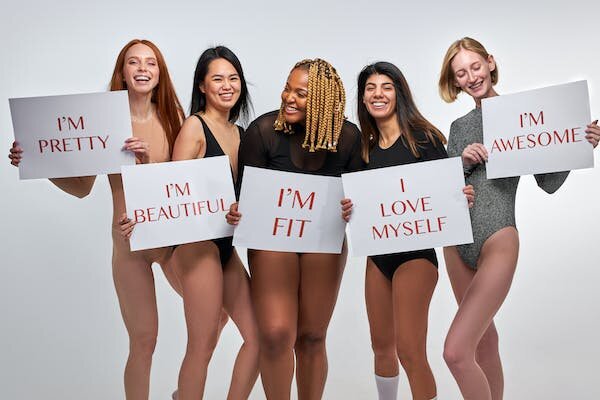
Female friendships are a powerful force that can lead to personal growth and transformation. When women come together to support each other, they create a sense of community that strengthens their individual and collective power.

Studies have shown that women who have strong female friendships are happier, healthier, and more successful in their personal and professional lives. Female friendships provide emotional support, encouragement, and a sense of belonging that can boost confidence and self-esteem.

Being part of a community of women who share common goals and values can also inspire personal growth and transformation. Women who come together to support each other can push each other to strive for more, pursue their passions, and challenge themselves to reach their full potential.

Benefits of Sisterhood

The Benefits of Sisterhood

There are numerous benefits of sisterhood and female friendships, including:

  • Increased self-esteem and confidence
  • Reduced stress and anxiety
  • Improved mental and physical health
  • Greater sense of belonging and connection
  • Opportunities for personal growth and transformation

Through sisterhood, women can find a safe space to share their experiences, fears, and dreams without fear of judgment. This can be particularly empowering for women who may feel marginalized or unheard in other areas of their lives.

Build a Sisterhood

How to Build a Sisterhood

Building a sisterhood requires intentionality and effort. Here are some ways to build strong female friendships and a supportive community:

  1. Be vulnerable and authentic: Share your experiences, fears, and dreams with other women. This will help create a sense of trust and connection.
  2. Listen actively: When other women share their experiences, be present and listen actively. This will help create a safe space for honest communication.
  3. Celebrate each other: Acknowledge each other’s accomplishments and successes. This will help create a supportive and encouraging environment.
  4. Give back: Support other women in their endeavors and help create opportunities for their personal and professional growth. This will help create a sense of community and reciprocity.

Female friendships and sisterhood are a powerful force that can lead to personal growth and transformation. By creating a supportive community of women, we can inspire each other to reach our full potential and create a more just and equitable world for all women.

Becoming a mother is a life-changing event that can bring immense joy and fulfillment, but it can also present challenges when it comes to balancing career aspirations with parenting responsibilities. Whether you are a working mom or a stay-at-home mom, finding a balance between your roles as a mother and a professional can be a difficult task.

Common Challenges

One of the most common challenges faced by working mothers is the guilt associated with leaving their children to go to work. This guilt can be intensified if they feel that their career is taking away from the time they could be spending with their children. On the other hand, stay-at-home moms may feel that they are not utilizing their full potential and skills, which can lead to frustration and a sense of unfulfillment.

Another challenge is the lack of support and understanding from employers and colleagues. Working mothers may face a lack of flexibility when it comes to work hours or the ability to work from home, which can make it difficult to balance work and family responsibilities. Stay-at-home moms may also face a lack of recognition for the valuable skills they have developed through motherhood, such as time management, organization, and multitasking.

Common Challenges

Tips for Balancing Motherhood and Career Aspirations

  • Set realistic expectations: Recognize that it is impossible to be perfect in both roles and that it is okay to prioritize one over the other at times.
  • Communicate with your employer and colleagues: Be open and honest about your needs and limitations, and work together to find solutions that work for both parties.
  • Take advantage of available resources: Utilize resources such as daycare or flexible work arrangements to help balance your responsibilities.
  • Practice self-care: Take time for yourself to recharge and avoid burnout. This can include exercise, hobbies, or simply taking a break to relax.
  • Stay organized: Use tools such as calendars and to-do lists to help manage your time and responsibilities.
  • Find a support system: Connect with other working or stay-at-home moms who can provide support, advice, and understanding.

Benefits of Balancing

The Benefits of Balancing Motherhood and Career Aspirations

While finding a balance between motherhood and career aspirations can be challenging, there are many benefits to achieving this balance. For working mothers, a successful career can provide financial stability and a sense of accomplishment, which can lead to increased confidence and self-esteem. For stay-at-home moms, pursuing personal and professional interests can provide a sense of fulfillment and purpose outside of motherhood.

Additionally, modeling a healthy work-life balance can have a positive impact on children, teaching them the importance of hard work, dedication, and self-care.

Balancing motherhood and career aspirations is a complex and ongoing process that requires patience, flexibility, and self-care. By setting realistic expectations, communicating effectively, utilizing available resources, and finding a support system, mothers can successfully navigate the balancing act and achieve fulfillment in both their personal and professional lives.

The media has a significant impact on the way women perceive themselves and their beauty standards. From magazines to television shows and social media, women are constantly bombarded with images of what society deems as beautiful. As a result, many women suffer from low self-esteem and body image issues.

The Ideal Beauty Standards Set by the Media

The media often portrays a narrow definition of beauty, which includes a slim figure, flawless skin, and symmetrical facial features. These beauty standards are unrealistic and unattainable for most women, yet they are presented as the norm. This portrayal creates a culture of body shaming and self-doubt, where women feel pressured to conform to these standards.

Moreover, the media often uses photo editing software to enhance images of models and celebrities, which further perpetuates the idea of unattainable beauty. The use of photo editing software creates a distorted view of beauty, which is impossible to achieve in real life.

Ideal Beauty Standards

The Negative Impact on Women’s Self-Image

The constant bombardment of images that promote unrealistic beauty standards can have a negative impact on women’s self-image. Many women who do not fit the societal norm of beauty may feel inadequate and develop low self-esteem. This can lead to a variety of mental health issues, including anxiety, depression, and eating disorders.

Furthermore, women who do fit the societal norm of beauty may also suffer from low self-esteem. This is because the pressure to maintain their appearance can be overwhelming, leading to a constant need for validation and approval from others. This can result in a never-ending cycle of self-doubt and insecurity.

The Need for Change

The media has a responsibility to change the way they portray beauty. Instead of promoting a narrow definition of beauty, the media should embrace diversity and promote a range of body types, skin tones, and facial features. This will help to create a culture of body positivity and self-acceptance.

Need for Change

Moreover, the media should be transparent about their use of photo editing software. This will help to create a more realistic view of beauty that is achievable in real life. By doing so, women will be able to see themselves represented in the media, which will help to boost their self-esteem and confidence.

The media’s influence on women’s self-image and beauty standards is significant. The portrayal of unrealistic beauty standards can have a negative impact on women’s mental health and self-esteem. However, there is a need for change. The media should promote diversity and transparency, which will help to create a culture of body positivity and self-acceptance

As human beings, we are social creatures who thrive on connection and community. For women, having strong female friendships and a supportive community is essential for personal growth and overall wellbeing. In this article, we will explore the importance of female friendships and community and how they can positively impact our lives.

Support and Empowerment

One of the most significant benefits of female friendships and community is the support and empowerment they provide. Having a group of women who understand and relate to your experiences can be incredibly validating and comforting. These relationships provide a safe space to share our thoughts and feelings, express vulnerability, and seek advice and guidance.

Furthermore, female friendships and community can also uplift and empower us. When we see other women pursuing their goals and dreams, it can inspire us to do the same. We can learn from each other’s experiences and skills, and push each other to be our best selves.

Support and Empowerment

Growth and Self-Discovery

Being part of a female community also offers opportunities for growth and self-discovery. Women supporting women can create an environment that encourages personal development and exploration. By engaging in meaningful conversations, sharing ideas, and challenging each other’s perspectives, we can broaden our horizons and deepen our understanding of ourselves and the world.

Friendships and community can also expose us to new experiences and opportunities we may not have had otherwise. By sharing each other’s passions and interests, we can explore new hobbies and activities, and broaden our skills and knowledge.

Mental Health and Wellbeing

Lastly, female friendships and community also have significant benefits for our mental health and overall wellbeing. Studies have shown that having a strong social network can reduce stress and anxiety, boost self-esteem, and improve our mood and happiness levels.

Mental Health and Wellbeing

Moreover, having a supportive community can provide a sense of belonging and purpose, which can be crucial for mental health. When we feel connected to others and part of something bigger than ourselves, it can give us a sense of meaning and fulfilment.

Female friendships and community are essential for personal growth and wellbeing. By providing support, empowerment, growth opportunities, and mental health benefits, these relationships can enrich our lives and help us become our best selves. So, whether it’s joining a book club, attending a women’s networking event, or simply reaching out to a friend, nurturing our female friendships and community should be a priority in our lives.

For many years, society has perpetuated the idea of toxic masculinity, which has a negative impact on men’s physical and mental health, as well as the people around them. However, there is a growing awareness and movement towards breaking this cycle and promoting a healthier masculinity.

The Definition of Toxic Masculinity

Before discussing how to break the cycle of toxic masculinity, it is essential to understand what it is. Toxic masculinity refers to the societal norms and expectations of what it means to be a “real” man. These norms include traits such as aggression, dominance, emotional suppression, and a lack of vulnerability. Toxic masculinity leads to harmful behaviors such as misogyny, homophobia, and violence, and can cause men to feel pressure to conform to these expectations, which can have detrimental effects on their mental and physical health.

Toxic Masculinity

Breaking the Cycle of Toxic Masculinity

Breaking the cycle of toxic masculinity requires a multifaceted approach. Here are some ways to promote a healthier masculinity:

  1. Encourage Emotional Intelligence: Men are often taught to suppress their emotions and to view vulnerability as a weakness. However, emotional intelligence is a crucial component of mental and physical health. Encouraging men to recognize and express their emotions can lead to healthier relationships and better mental health outcomes.
  2. Reject Traditional Gender Roles: Traditional gender roles perpetuate the idea of toxic masculinity. Men are expected to be the breadwinners and to exhibit dominance in relationships. However, these expectations can lead to stress, anxiety, and depression. Rejecting traditional gender roles can lead to a more balanced and fulfilling life.
  3. Promote Positive Masculinity: Positive masculinity refers to traits such as empathy, compassion, and respect for others. Promoting positive masculinity can lead to healthier relationships and a more supportive society.
  4. Challenge Society’s Expectations: Society often reinforces toxic masculinity through media, advertising, and other cultural institutions. Challenging these expectations and promoting healthier alternatives can have a significant impact on breaking the cycle of toxic masculinity.

The Benefits of a Healthier Masculinity

Promoting a healthier masculinity can have numerous benefits for men and society as a whole. Some of these benefits include:

  • Better Mental Health Outcomes: Toxic masculinity can lead to mental health issues such as anxiety, depression, and suicide. Promoting a healthier masculinity can lead to better mental health outcomes and a reduced risk of suicide.
  • Healthier Relationships: Toxic masculinity can lead to unhealthy relationships, including those that involve abuse and violence. Promoting a healthier masculinity can lead to healthier, more fulfilling relationships.
  • A More Supportive Society: Promoting a healthier masculinity can lead to a more supportive society that values empathy, compassion, and respect for others.

Benefits of a Healthier Masculinity

Breaking the cycle of toxic masculinity is essential for promoting healthier outcomes for men and society as a whole. Encouraging emotional intelligence, rejecting traditional gender roles, promoting positive masculinity, and challenging society’s expectations are all essential steps towards a healthier masculinity. By promoting a healthier masculinity, we can create a more supportive and fulfilling society for all.